
Managing Wedding Planning Stress: Therapist-Approved Tips to Help You Stay Grounded, Calm and Connected
- Shoshanna Albrighton

- Jan 2
- 6 min read
Planning a wedding can be a beautiful, exciting time — but it can also bring worry, pressure, decision fatigue, finances to juggle and expectations to manage. I often see people feeling overwhelmed, guilty for not “loving every second”, or anxious that they’re somehow “doing it wrong”. If that sounds familiar, you are absolutely not alone.

From a therapeutic perspective, stress during wedding planning makes perfect sense. You’re dealing with big life change, emotional expectations, money, logistics, relationships, and a hundred small decisions that all suddenly feel very important. This post brings together ideas from Cognitive Behavioural Therapy (CBT), Solution-Focused approaches, Mindfulness, Compassion-Focused Therapy and gentle nervous-system awareness — to help you navigate wedding planning with more steadiness, clarity and kindness toward yourself.

Most importantly: your wedding is an important day — but it’s your day. It will go by so quickly. Try not to let planning overwhelm the joy of what you’re really doing: celebrating love. ❤️

1. Notice the Thoughts That Are Driving the Stress (CBT in action)
A huge part of anxiety is driven by the stories our minds tell us. Common wedding-planning thoughts include:
“I have to make everyone happy.”
“This has to be perfect.”
“If I get this wrong, it’ll ruin the day.”
“Everyone is judging our choices.”
These thoughts create pressure, panic, tension and self-criticism.
Try asking yourself:
Is this thought 100% true?
Is it helpful?
Is there a more balanced version?
For example:
❌ “It has to be perfect”
✔️ “We want it to feel meaningful and enjoyable — perfection isn’t required.”
❌ “Everyone must approve”
✔️ “It’s okay if not everyone loves every choice; it’s our day and it needs to feel right for us.”
Small shifts in thinking can make a big difference to how your body and emotions respond.
2. Focus on Solutions, Not Just Problems (Solution-Focused thinking)
It’s easy to get lost in what’s stressful, difficult or going wrong. A solution-focused approach helps move you gently toward what helps.
Try these questions:
What’s already going well?
What have we already handled successfully?
What’s one small thing we can do next, rather than everything at once?
If the day went “well enough”, what would that actually look like?

Break tasks into tiny, manageable steps. Instead of “plan wedding”, think:
today: choose three venue options to research
this week: decide on one thing only
later: come back to the next step
Progress doesn’t need to be dramatic — it just needs to be steady and kind.
3. Mindfulness: Come Back to the Present Moment
Wedding planning can pull you into constant future-thinking: What if this goes wrong? What if that doesn’t work? What if people don’t like it?
Mindfulness invites you back to now.
Try:
Taking a slow breath in…and a longer breath out.
Pausing before a decision.
Noticing: What do I feel right now? What do I actually need?
Enjoying the small moments — choosing rings, talking about vows, imagining the moment you see each other.
Mindfulness doesn’t mean ignoring stress; it means staying grounded so stress doesn’t completely take over.

4. Be Kind to Yourself (Compassion-Focused Therapy)
You are doing something meaningful, emotional and complex. Of course you feel it deeply.
Instead of “I should be coping better”, try:
🫶 “This is hard — and I’m doing my best.”
🫶 “Lots of people find this overwhelming. I’m not failing.”
🫶 “I deserve gentleness, patience and understanding — especially from myself.”

Treat yourself as kindly as you would a close friend planning their wedding.
Build in compassion-based care:
rest
reassurance
boundaries
permission to not be perfect
5. Support Your Nervous System
When we’re stressed, the nervous system moves into survival mode — racing heart, tense body, racing thoughts. You can gently support it with simple practices:
Slow, steady breathing: in for 4, out for 6.
Grounding: feel your feet on the floor, notice 5 things you can see, 4 you can feel, 3 you can hear.
Movement: walking, stretching, dancing, shaking out tension.
Regulate through connection: talk, cuddle, laugh, lean on people who support you.
Your body will often calm before your thoughts do — so tending to the nervous system can make decision-making and emotional resilience easier.

6. Family, Opinions and Boundaries
Weddings often stir opinions — sometimes lovingly, sometimes forcefully. Boundaries are a healthy part of caring relationships.
It can help to:
Decide together what truly matters to you as a couple.
Agree on your “non-negotiables”.
Practise simple boundary phrases like:
“Thank you for the suggestion — we’ve decided to do it this way.”
“We appreciate your support, but this part is just for us.”
“We’ll let you know when we’ve made a decision.”
You’re not being difficult — you’re protecting your wellbeing.

7. Remember Why You’re Doing This
Amid spreadsheets, budgets, opinions and Pinterest boards, it’s easy to lose sight of the heart of it all: you’re celebrating love, commitment and connection.
Spend time connecting with each other, not just planning together. Talk about what you’re excited for. Laugh. Dream. Feel. Be together. Dance!
And the Big Take-Away…
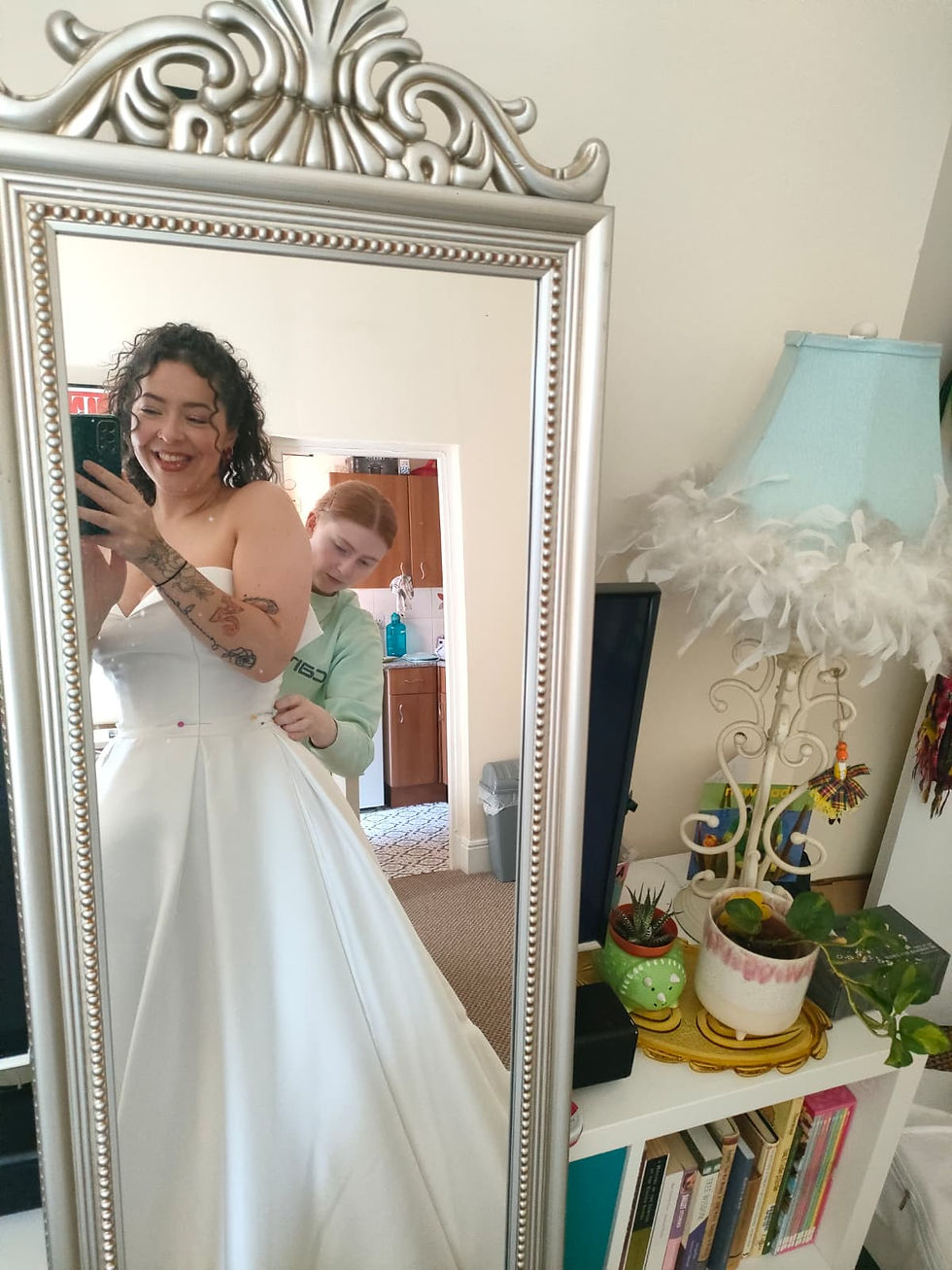
Your wedding day matters — but it’s your day. It will come and go so quickly. Try not to let planning overshadow the joy of what you’re actually doing. Allow it to be meaningful, imperfect, emotional, human and yours.
If wedding planning is feeling overwhelming, you don’t have to carry it alone. Support — whether through loved ones or therapeutic space — can make a real difference.
A Personal Note from Me
Even as an experienced therapist, celebrant and (at the time) a 2025 bride, I wasn’t immune to the stress of wedding planning either. When we visited our venue for the first time after booking, I expected to feel excitement, but instead I was hit with waves of nausea and anxiety. My breathing became fast, my heart was racing, and my stomach was in knots.
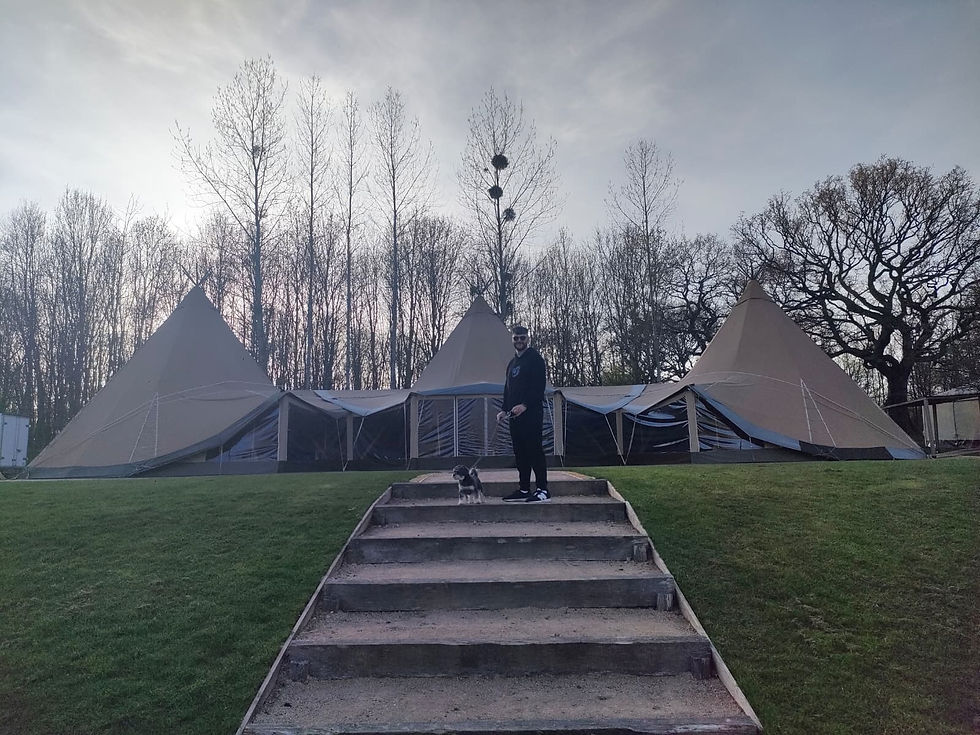
My now-husband took me outside, we had a cuddle, and we breathed together. We talked about what might be going on and, although I didn’t have the answer straight away, we realised I simply needed more time to process all the changes ahead — without putting pressure on myself to feel excited before I was ready.

We muddled through with care and honesty. Taking slow, steady breaths whenever my chest tightened soon became second nature. I stopped expecting myself to feel any particular way and allowed myself to just be with whatever was there. I also protected my energy where I could — keeping my circle small and safe when things felt overwhelming. And gradually, as the big day approached, smiles replaced frowns, joy softened the stress, and I had the best day of my life.

One practice I recommend to every couple is this: dance.
We committed to practising our first dance every single Wednesday evening. We made sure our diaries aligned, and after a bit of wed-min, we’d put our song on, move, laugh and just be close. Amidst finances, family expectations and logistics, that regular connection was a godsend. It reminded us what all of this was really about: us.


Comments